
South Dakota’s central region is a stark contrast to the western region of the state. It is highlighted by the Missouri River and its vast recreation and fishing opportunities creating some of the best walleye fishing in the nation. Further, the river and surrounding grasslands and sloughs create some of the best habitat for wing shooting in the United States.
It is this combined hunting and fishing that makes central South Dakota a sportsmen’s mecca. Waterfowl and upland birds both can be found here in record abundance. Pheasants in the fall spring from fields and habitat while ducks and geese migrate and stay for extended periods of time. And the fishing, up and down the entire river is endless.
Pierre, our state capitol can be found here as well as fishing haven Mobridge in the north and countless small towns throughout.
With its welcoming communities, breathtaking scenery, and rich heritage, Central South Dakota invites visitors to experience the beauty and tranquility of the heartland.
Things To Do In Central South Dakota
The Central Region in South Dakota has attractions that won’t let you forget you’re in the heart of South Dakota. From the amazing hunting and fishing, to the open waters of the Missouri River, this area of the state is every outdoor adverturers dream.
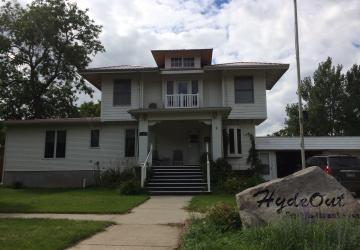
Hydeout Bed & Breakfast
Highmore
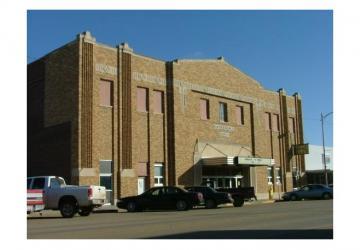
Mobridge Visitor’s Center
Mobridge
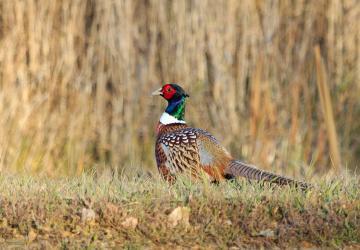
Winner Area Chamber of Commerce
Winner
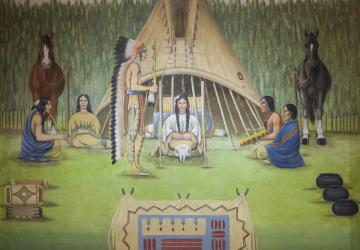
Oscar Howe’s Mobridge Murals
Mobridge
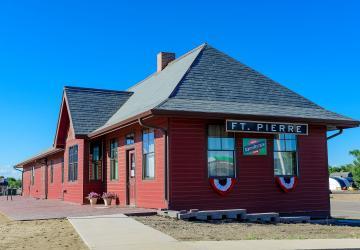
Fort Pierre Depot and Museum
Fort Pierre
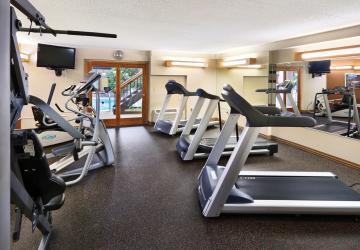
Ramkota Hotel & Conference Center
Pierre
La Minestra
Pierre
Days Inn Pierre
Pierre
Grey Goose Store & Social Club
Pierre
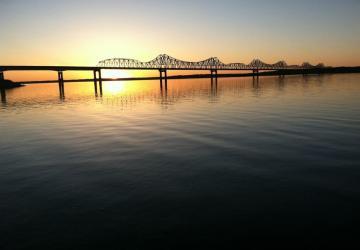
Bob’s Resort
Gettysburg
Fort Pierre Chouteau Site
Fort Pierre
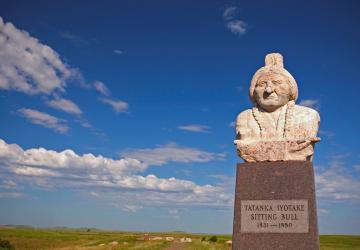
Sitting Bull & Sakakawea Monuments
Mobridge
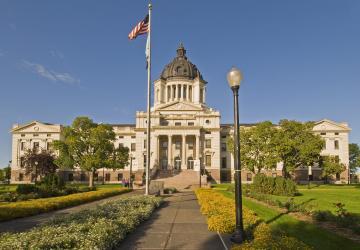
Pierre Area Convention & Visitors Bureau
Pierre
Ace’s RV Park
Gregory
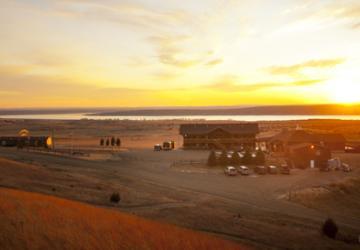
Thunderstik Lodge
Chamberlain
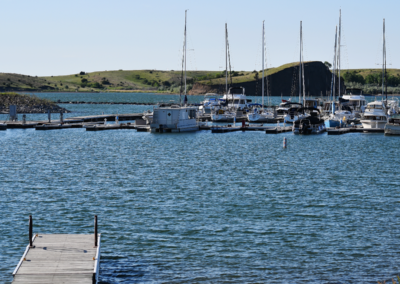
Spring Creek Recreation Area
Great Faces. Great Places.
South Dakota is an incredibly unique state in that each region offers a completely different experience then the others. Check out each of the regions to see what each has to offer!

Western South Dakota
Featuring the Black Hills, Badlands, the Sturgis Rally. This region tends to be the most popular.

CENTRAL REGION
This region of South Dakota offers some of the best hunting and fishing in the entire central US.

Eastern Region
The eastern region is home to the largest city in the state and provides visitors with a true "prairie" experience.