Lakota, Dakota, and Nakota Sioux tribes inhabited much of the Western Region of South Dakota in the early 1800’s. In 1874, General George Custer led a 1,000-man expedition to the Black Hills, setting up camp near Bear Butte. Custer verified the presence of gold, inciting an influx of prospectors to the region. The distinctive shape of Bear Butte served as a landmark for prospectors, leading their way toward gold.
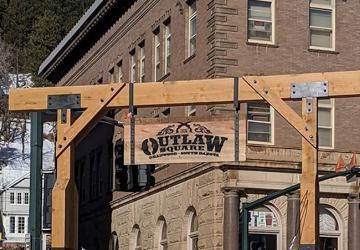
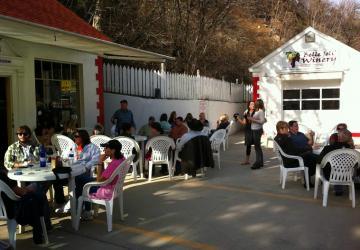
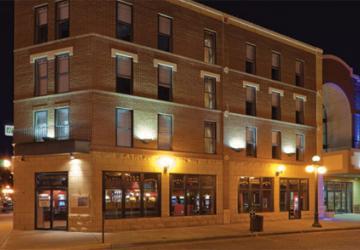
The 1876 Black Hills Gold Rush gave rise to the town of Deadwood. The discovery of gold opened the floodgates for outlaw activity in the infamously riotous town, which became a hub for Wild West outlaws Wyatt Earp, Billy the Kid, Calamity Jane, and Wild Bill Hickok. The town of Deadwood is notorious as the site of the murder of Wild Bill Hickok, and is the final resting place for Calamity Jane and a slew of lesser-known bandits. Today, visitors to Deadwood have their pick of 85 meticulously restored gaming halls, replete with nickel slot machines, poker, and blackjack. In addition to gaming halls, Deadwood is sprinkled heavy-handedly with family-friendly museums and historic sites.
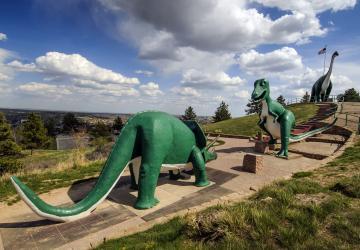
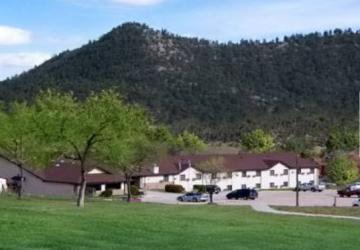
The landscape of the Western Region varies greatly, from the mixed and tall grass prairies of the open plains to the pine-forested Black Hills to the beautiful rock-like formations of the Badlands. The changing landscape is home to diverse ecosystems, with abundant wildlife and flora. The Western Region boasts impressive trout fishing areas and big game species like elk, whitetail deer, mule deer, bison, and big horn sheep. The tremendously varied, invariably breathtaking scenery of the Western Region, combined with its rich history, make it a must-see area for travelers.
The core of the Black Hills is characterized by Precambrian granite and metamorphic rocks dating back 1.8 billion years, and by Paleozoic sedimentary rocks near the surface. Beneath the Black Hills, 50 million years of rain and seeping ground water dissolved the rich deposits of paha sapa limestone, leaving more than 200 caves in its wake.
Spectacular above-surface sites in the Western Region include Mount Rushmore National Memorial, Crazy Horse Memorial, the Needles of Custer State Park, and the pinnacles, buttes, and spires of Badlands National Park. Numerous walking and hiking trails and scenic byways showcase afford travelers an up-close look at the region’s awe-inspiring landscape.
Wind Cave and Jewel Cave, the second longest cave in the world, are both part of the National Parks System, and enchant visitors with their underground splendor. In addition to these two major caves, the Western Region is home to more than 200 underground passageways, many of which offer tours to the public. The most notable of these smaller cave systems include Black Hills Caverns, Mount Rushmore Cave, Wonderland Cave, and Crystal Cave.
In addition to its rare and unique geological formations, Custer State Park provides visitors with over 73,000 acres of mixed-grass prairie and pine ecosystems, as well as 182 acres of crystal clear water. Home to one of the largest free-ranging herds of bison, Custer State Park is also a haven for pronghorn antelope, sure-footed mountain goats, whitetail deer, mule deer, bighorn sheep, mountain lions, wild turkeys, and elk, making it one of the best parts of the state for observing wildlife.
Bear Butte, a lone igneous rock formation in the shape of a sleeping bear, has been a sacred site to Native Americans for thousands of years. More than thirty Native American tribes, including Lakota, Dakota, Nakota, Northern Cheyenne, and Arapaho, continue to visit Bear Butte to meditate and perform prayer ceremonies. Red Cloud, Sitting Bull, and Crazy Horse have been among the site’s notable visitors. In 1961, Bear Butte was officially declared a state park. Visitors are afforded the opportunity to learn about great Native American leaders, and to experience the richness of the Native American culture.
The Western Region of South Dakota is also home to the Minuteman Missile National Historic Site. This historical landmark serves as a tribute to the Minuteman Missile’s role in the Cold War. Capable of mass destruction, the missiles were ultimately responsible for achieving a much greater feat: peace. The presence of Minuteman Missiles served as a deterrent against the threat of Cold War. Today, visitors to the National Historic Site can tour launch facilities and learn about the site’s historic impact.
Majestic geologic formations, spectacular wildlife, beautiful caves, and sites of historical significance are just a few of the Western Region’s highlights. Summer visitors enjoy hiking and water activities, and fall visitors are impressed by the beautiful changing scenery of the Black Hills. In the winter, snow and plunging temperatures are conducive to skiing, snowmobiling, and ice fishing. There is much to experience in South Dakota’s Western Region, making this region a popular year-round destination.
The Western Region of South Dakota is one of the state’s most popular destinations for travelers, with some of the most historic cities in the state. From the gold rush to the creation of the Crazy Horse Monument, western South Dakota's cities capture the spirit of the west.
Want to see more? Click here to see all South Dakota cities.